What it is and technique
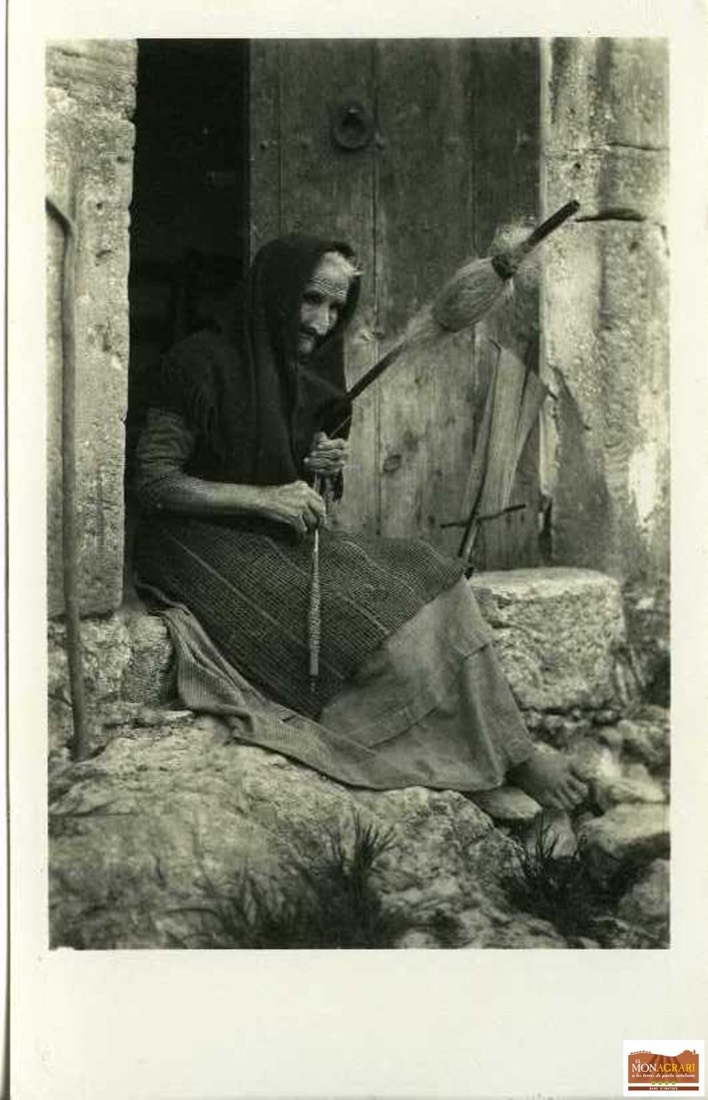
The flassada is a quadrangular piece woven of wool (or cotton), usually with colored stripes, to cover the bed (DCVB). Behind it is the great textile craft of medieval and modern Mallorca: the plain drapery. The wool was washed, carded and combed (paraires), spun (filadores, almost always women at home), woven (teixidors de llana), fulled in draper mills, dyed and stretched on pullers.
Short story
- 1229-1348. Paraires and weavers from the south of France and Catalonia arrive with the repopulation and bring the trade (Deyà Bauzà, 2007).
- 1315. Ordinament dels dyers de Mallorca and chapters on wool weavers.
- yes. XV. Drapery is the island's export industry: cloth in exchange for wheat. In Sóller there are draper mills.
- yes. XVI. The "new drapery" is adopted and the rural industry grows. Inca had its own guild of paraires in 1590.
- Second half of the s. XVII. After the plague of 1652, exports fell. Drapery is reoriented towards less demanding consumption: the production of flassades increases (Deyà Bauzà, 1998 and 2007).
- yes. XVIII. Wool loses weight compared to linen and hemp: in 1784, 107 wool weavers with 121 looms in the Part Forana.
- yes. XIX. Wool factories. Can Fortuny (Esporles, 1866) wove many blankets; Teixits Vicens (Pollença, 1854) began as a wool workshop.
- 1927. Artà Press remembers that its weavers had been famous (drap and mescles) and that the trade had almost disappeared.
Process step by step
Traditional drapery chain (Deyà Bauzà; DCVB):
1. Shear the sheep and choose the wool.
2. Rent (wash) the wool.
3. Cardar i pentinar — work of the paraire.
4. Filar — at home, women from the Part Forana.
5. Ordir i teixir — trowel weaver, on a pedal loom.
6. Fill in the draper mill (furting: compacts and gives body to the cloth).
7. Tenyir — dry cleaning; the most expensive phase around 1520.
8. Stretch on the handle to the extent of the ordinances.
9. Finish (cruetjar, point, seal).
There is no published time data for a specific Mallorcan flassada (to verify).
Forms and objects
- flassada — bed blanket, from lists.
- blanket — general term today.
- drap — woolen cloth; The drap setzè was a regulated type (16th century).
- mescles / mesclilles — mixed wool fabrics, cited in Artà (1927; to verify the exact term).
- cordellats and other cloths: possible, without confirming in the sources read (to verify).
Vocabulary
- flassada: woven wool blanket, with color stripes, for the bed.
- flassadeta: diminutive of flassada.
- llana: wool.
- paraire: who prepares the wool (carding, combing) and in practice organized production.
- teixidor de llana: wool weaver; own guild.
- llanerol: union tax on those who worked wool without being paraire; also those businessmen (16th-17th centuries).
- cruetjador: urban paraire who only finished woven pieces in the towns (17th century).
- molí draper: cloth fulling mill.
- tirador: space or frame to stretch the cloths after dyeing them.
- tintorer: dyer.
- filadora: woman who spins.
- draperia: woolen cloth industry.
- drap: woolen cloth.
- ordir / teixir: prepare the ordit / weave.
Geography
- Pollença: 80 paraires in 1584, the maximum on the island; 12 wool weavers in 1570. With Inca, 20% of the llanerol in the s. XVI.
- Artà (68 paraires in 1584), Manacor (62), Sóller (52, draper mills), Inca (guild in 1590).
- Esporles: industrial textile from the 19th-20th century with water from the Font de sa Granja (Can Fortuny, Can Campos, Can Ribes).
- Why: mountain areas with fewer cereal producers had more artisans (Deyà). There was pasture for sheep, water for mills, and peasant labor for spinning in winter.
Xifres
- Paraires in the Part Forana in 1584: 432 at least.
- Guild of wool weavers in 1584: 136 in Ciutat and 104 in the towns.
- 1784: 107 wool weavers and 121 looms in the Part Forana.
- Can Fortuny (Esporles): 1866. Can Campos: staff of 350 people, especially women (no date; to be verified).
- Breeds: Mallorcan sheep and Mallorcan red sheep, classified as native; the red one has fine-medium wool. Today there is no local wool circuit for blankets (to verify).
Why is it design
- Decentralized chain. An object made between many houses and towns: a network, not a factory. Proximitat design model.
- Matter of the place. Sheep, water and mill from the same valley.
- Adapt to the market. When the luxury cloth falls, the flassada replaces it: design that changes range to survive.
- Residue today. Local sheep wool barely has any outlet (per verification): raw material for a new product.
Where and who today
- I have not found a Mallorcan workshop that weaves local wool flassades today (per checking).
- Teixits Vicens (Pollença) was born as a wool workshop; Today he works mainly with cotton and linen. teixits-vicens
- Martí Vicenç Museum (Pollença): looms and tools.
- Sa Granja (Esporles): museum with an old dyeing workshop.
- Esporles Library in the Can Fortuny building.
State
Trade disappeared as an industry. Memory remains (Esporles, Pollença, Artà) and the native sheep. No specific asset protection.
For the project
- Possible piece: a flassada of Mallorcan ovella wool spun and woven on the island, with lists of dye colors from here. Prototype with a textile workshop and the livestock farmers association.
- Contact: Associació de Ramaders de l'Ovella de Raça Mallorquina; Teixits Vicens; Ajuntament d'Esporles (memory of Can Fortuny).
- Basic question: can the sheep-yarn-blanket cycle be closed on an island that barely uses its wool today?
Frequently asked questions
What is Flassades (Mallorcan wool blankets)?
The flassada is a quadrangular piece woven of wool (or cotton), usually with colored stripes, to cover the bed (DCVB). Behind it is the great textile craft…
Who practises Flassades (Mallorcan wool blankets) in Mallorca today?
The Balearic Islands Crafts Register lists 32 artisans linked to this craft, in Palma, Pollença, Alaró, Lloseta, Artà.
What are the traditional words for Flassades (Mallorcan wool blankets)?
Some words: cruetjador, drap, draperia, filadora, flassada, flassadeta, llana, llanerol.
Sources
- revistes.iec.cat/index.php/BSCEH/article/download/2716/40933
- dcvb.iec.cat/results.asp?Word=flassada
- dcvb.iec.cat/results.asp?Word=paraire
- majorcadailybulletin.com/news/local/2021/01/30/78365/mallorca-culture-esporles.h
- en.wikipedia.org/wiki/Esporles
- ibdigital.uib.es/greenstone/sites/localsite/collect/llevant/import/volums/1927/1
- homofaber.com/en/discover/teixits-vicens-textile-crafting-spain
- mallorca.com/ca/guia/lugares-de-interes/museu-marti-vicenc
- ibdigital.uib.es/greenstone/library/collection/bolletiSocietatLulliana/document/
- mapa.gob.es/ca/ganaderia/temas/zootecnia/razas-ganaderas/arca/logotipo-ovella_ma
- caib.es/sites/racesautoctones/ca/ovella_roja_mallorquina_-_origens-4181/
Working text from the Disseny Indígena knowledge base, machine-translated from Spanish.