What is
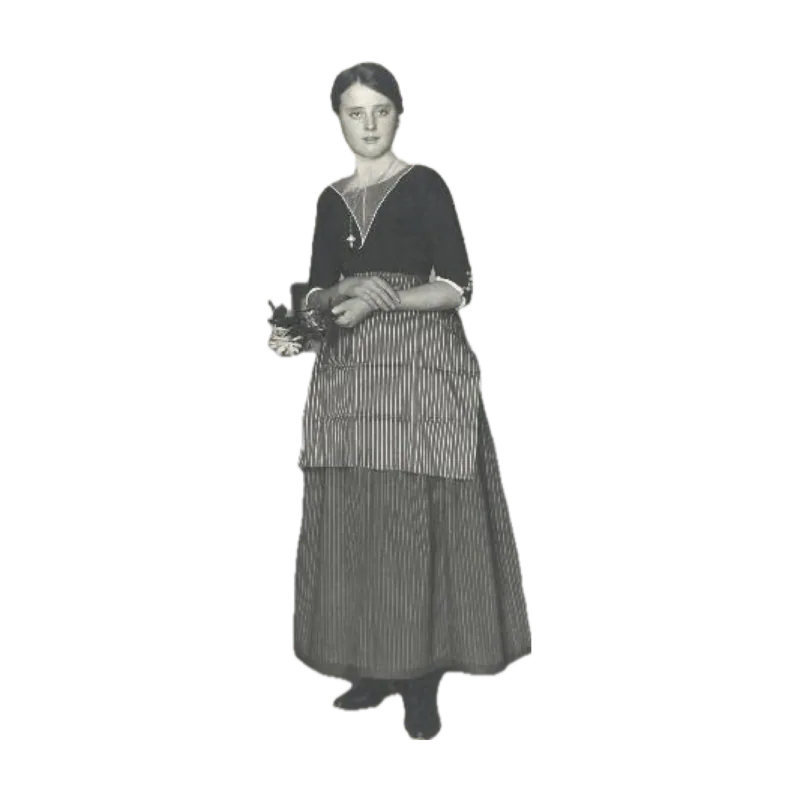
The two ways of covering the head of the Mallorcan pagesa. The rebosillo is the party piece, fine, white. The mocador is the daily and work piece.
How is
- Rebosillo: thin fabric that covers the head, the sides of the face, the back and the chest, and ends in a point near the waist (DCVB). Sometimes they carried two: a large one below and a small one on top.
- Over the centuries it became thinner and more transparent; in the s. XIX-XX, sometimes only made of lace, closed under the chin with an increasing bow (Mallorca Magazin).
- Volant: alternative to the rebosillo accepted today in the Beata (exact form: to be verified).
- Mocador: square piece of linen, cotton, silk or wool. Mocador de cap (head), coll (neck) or set pams, so large that it covers the entire back (Empordà, Mall.).
How is fa
- White linen or cotton fabric; edges with stitches (lace) or embroidery. See brodats .
- The printed or checked mochador was bought; the party one could be made of silk.
Com s'usa
- Rebosillo: mass, party, procession. Today, ball de bot and patron saint festivities.
- Mocador de cap: to work, with hair up and capell on top. La Beata allows “mocador pel cap”, manegots and capell if you want to reproduce work clothes.
Vocabulary
- rebosillo: fine cloth hat from the pagesa (Castilianism, from rebociño).
- rebosillet de punt: knitted or lace rebosillo.
- volant: alternative party headdress to the rebosillo (to verify shape).
- mocador de cap: headscarf.
- mocador de set pams: large scarf that covers the back.
- manegots: cloth sleeves to protect the arms when working.
- trunyella: hair braid.
- rebosillo (xeremies): small cloth that covers the passage between sarró and tubes of the xeremies so that hair does not enter (Mall., DCVB).
History
- 1692: a pragmatic prohibits gold and silver fabrics, lace and embroidery on "rebocillos or mantellines" (BSAL, cited in DCVB).
- 18th-19th centuries: the rebosillo is the most visible piece of the pagesa dress; it thins and becomes transparent.
- 20th century: falls into daily disuse; It is maintained at parties and in bot ball groups.
- 2025: the Blessed of Santa Margalida sets the dona dress: flounce or rebosillo, gipó, skirt and espardenyes.
On veure'n
- Museum of Mallorca, ethnological section (Wall) : clothing.
- Festivals: La Beata (Santa Margalida), ball de bot, Sant Antoni.
Why is it design
- One piece, several functions: protects from the sun and cold, covers the chest and marks the day (party or work).
- Coded social language: fabric, lace and size speak of wealth and occasion.
- Uncut garment: folded flat fabric; It washes and stores easily.
For the project
- Atlas of headdresses: rebosillo, volant, mocador; drawn flat patterns.
- Collaboration with embroiderers: Brodats Sant Llorenç (Son Carrió) , Bordados Valldemossa .
- Question: what is left of the rebosillo outside the party? A contemporary piece of shade and sun?
Frequently asked questions
What is Rebosillo and mocador (traditional headscarves)?
The two ways of covering the head of the Mallorcan pagesa. The rebosillo is the party piece, fine, white. The mocador is the daily and work piece.
What are the traditional words for Rebosillo and mocador (traditional headscarves)?
Some words: manegots, mocador de cap, mocador de set pams, rebosillet de punt, rebosillo, rebosillo (xeremies), trunyella, volant.
Sources
- dcvb.iec.cat/results.asp?Word=rebosillo
- dcvb.iec.cat/results.asp?Word=mocador
- mallorcamagazin.com/nachrichten/lokales/2010/02/11/8272/trachten-knopfe-als-zeic
- ajsantamargalida.net/sites/cilma_santa_margalida/files/2025-08/programa-beata%20
Working text from the Disseny Indígena knowledge base, machine-translated from Spanish.