What is
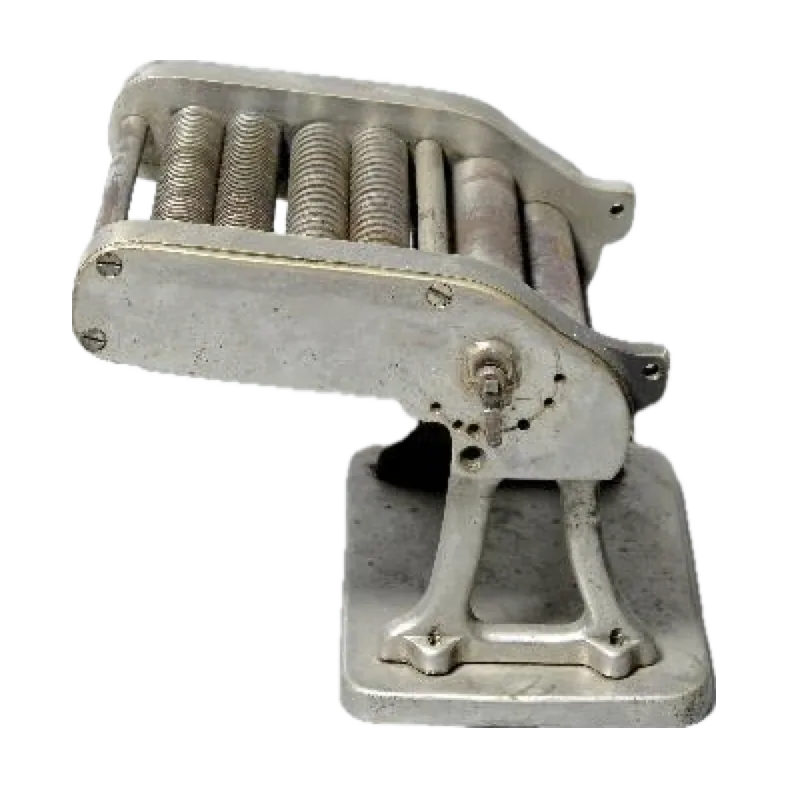
The fideuer machine: a press that pushes dough through a perforated bottom to form noodles or burballó. The DCVB describes it with drawings.
How is
- Poal: container where the pasta is placed, with a moving bottom.
- Llossa: bottom full of holes; Its shape decides the pasta (cylindrical or flat).
- Maça or atac: piston that presses the dough.
- Festers or tiranys: iron box with ashes and embers next to the llossa, to keep the pasta warm.
- Fenyedor: table where the noodles fall and dry.
- Previous machines: grinder and trull for grinding and kneading.
How is fa
- Wooden frame, iron parts; perforated llossa (local manufacturing to be verified).
Com s'usa
- The poal is loaded, the dough is lowered, the noodles come out through the llossa and are cut and dried.
Vocabulary
- poal: container of the press.
- llossa: perforated bottom.
- maça / atac: piston.
- festers / tiranys: brazier of the press.
- fenyedor: drying board.
- burballó: soup paste (Mall.).
History
- No Majorcan dates in the sources consulted.
On veure'n
- Per verify in ethnological museums.
Why is it design
- The matrix decides the form: elementary industrial design.
- Repairable wood and iron machine.
For the project
- Reconstruction of a fideus press for a pasta factory with local wheat.
Frequently asked questions
What is Premsa de fideus (noodle press)?
The fideuer machine: a press that pushes dough through a perforated bottom to form noodles or burballó. The DCVB describes it with drawings.
What are the traditional words for Premsa de fideus (noodle press)?
Some words: burballó, fenyedor, festers / tiranys, llossa, maça / atac, poal.
Sources
Working text from the Disseny Indígena knowledge base, machine-translated from Spanish.